
Learning from community-driven livelihoods initiatives
As part of ongoing efforts to strengthen sustainable livelihoods in mica-producing communities, the Responsible Mica Initiative (RMI) and its Community Empowerment Program (CEP) partners recently visited a multi-purpose cooperative in Tisri, Jharkhand, facilitated by Terre des Hommes Netherlands.
The visit provided an opportunity to learn how community-owned enterprises can support local economic development while strengthening resilience among rural households.
A cooperative supporting more than 125 families
The cooperative brings together approximately 350 members from 125 families across five villages. Through collective action, members have developed income-generating activities that create value within their communities while supporting local producers.
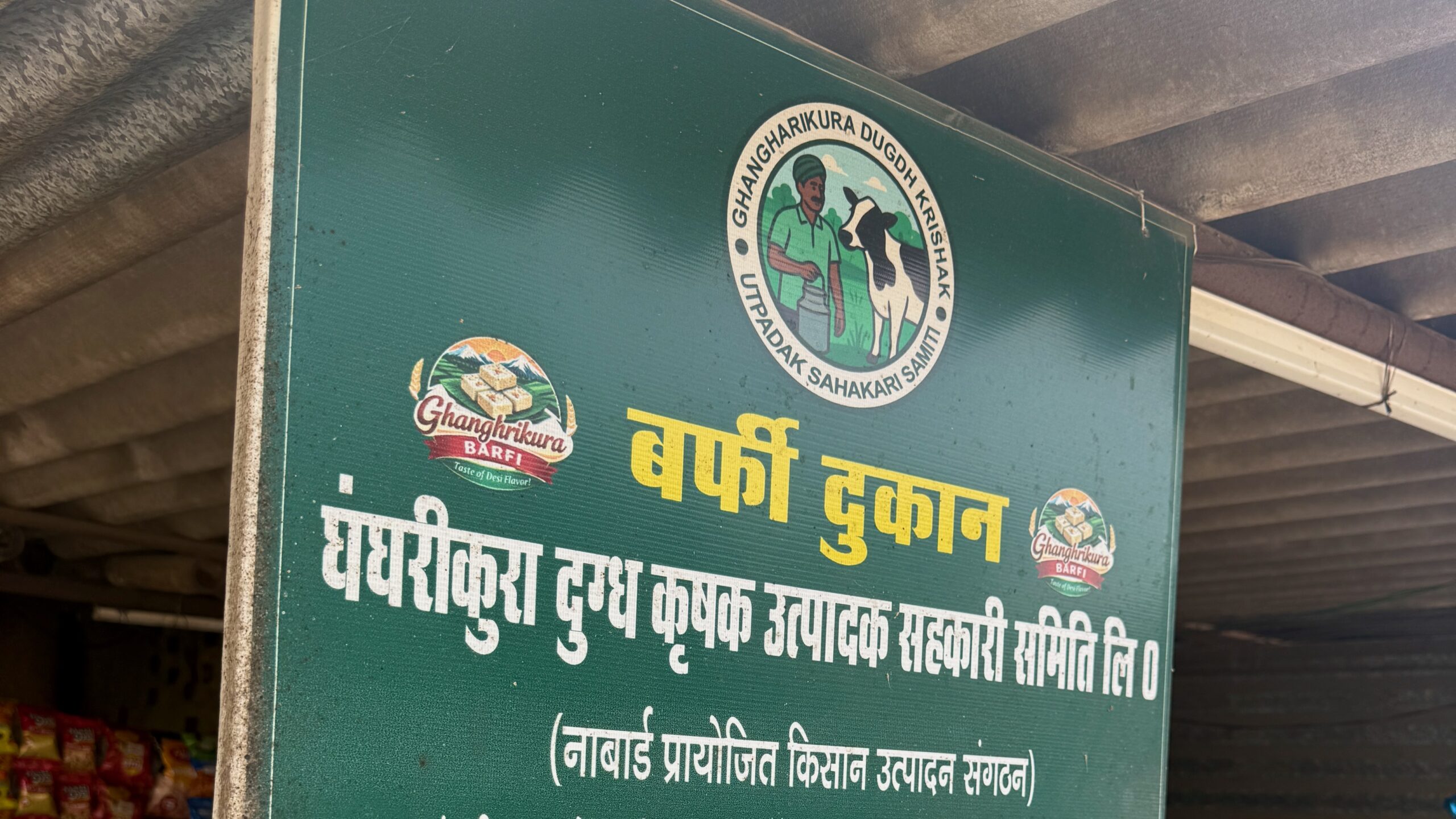
One of the cooperative’s current businesses is the production and sale of a popular dairy-based sweet. Milk is sourced from local villagers, including cooperative members, then processed and marketed under a local brand. Products are sold in nearby markets, temples, and neighboring villages, creating a local value chain that benefits community members.
The cooperative is also exploring additional opportunities, including vegetable aggregation and improved agricultural practices. Members are accessing training through agro-science institutes to strengthen productivity and expand future livelihood options.
Women at the center of decision-making
A key highlight of the visit was the exchange with the cooperative’s 14-member Board of Directors, made up entirely of women.
The board members shared how they collectively manage business operations, make strategic decisions, understand market opportunities, and encourage new households to participate in the cooperative.
Building trust and participation took time. In its early stages, the cooperative faced challenges convincing households to invest the ₹100 membership share, equivalent to approximately $1. Through consistent engagement and visible results, the cooperative gradually gained local confidence and now operates with limited external support.
Today, the cooperative generates an annual turnover of approximately ₹6 lakh ($6,260), demonstrating the potential of community-led enterprises to create sustainable economic opportunities in rural areas.
Inspiring future community programming
The visit offered valuable insights for RMI and its partners as they continue exploring approaches to strengthen livelihoods in mica-producing communities.
Community-owned cooperative models can provide opportunities for income diversification, local entrepreneurship, and greater participation of women in economic decision-making. Lessons from Tisri will help inform future discussions on sustainable livelihood initiatives and community empowerment strategies.