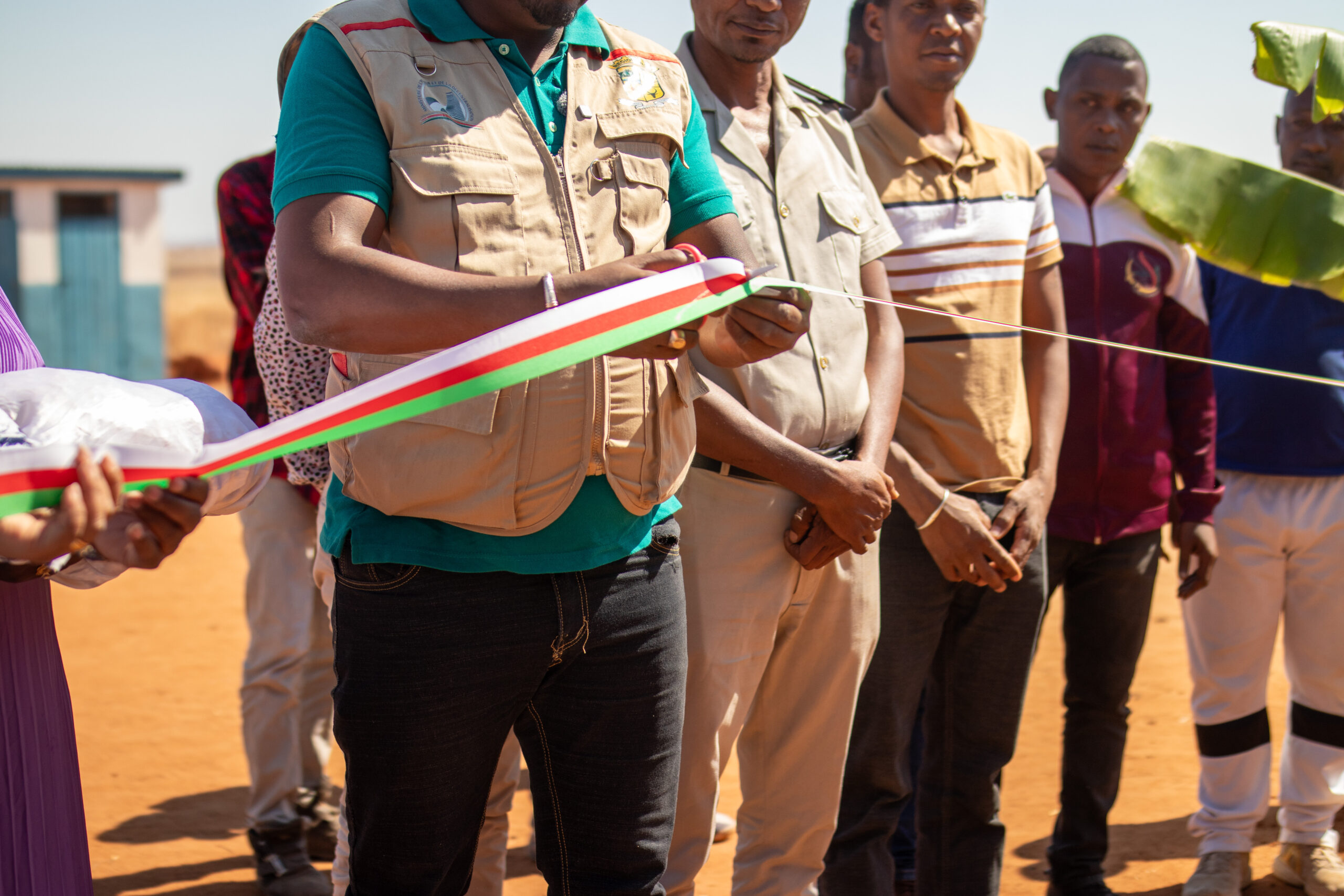

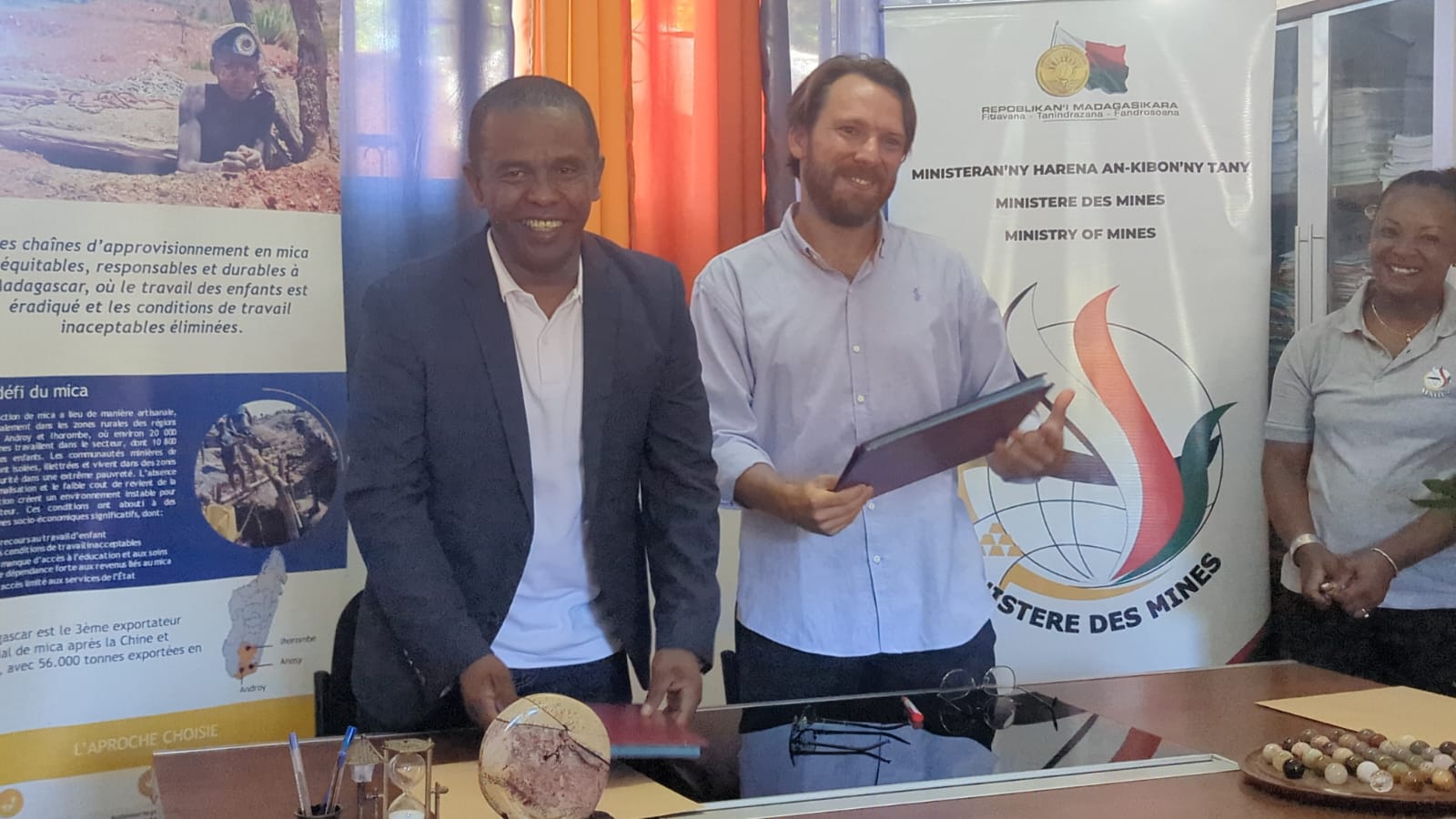
In April, the Responsible Mica Initiative (RMI) marked two major milestones in Madagascar, reinforcing its commitment to building responsible and sustainable mica supply chains. Through the signing of two key conventions in Fort Dauphin—one with the Ministry of Mines and another with the Regional Directorate of Agriculture and Livestock—RMI is deepening its collaboration with public authorities and accelerating the implementation of its programs on the ground.
These partnerships reflect a shared ambition: to address systemic challenges in mica-producing regions while creating long-term, sustainable opportunities for local communities.
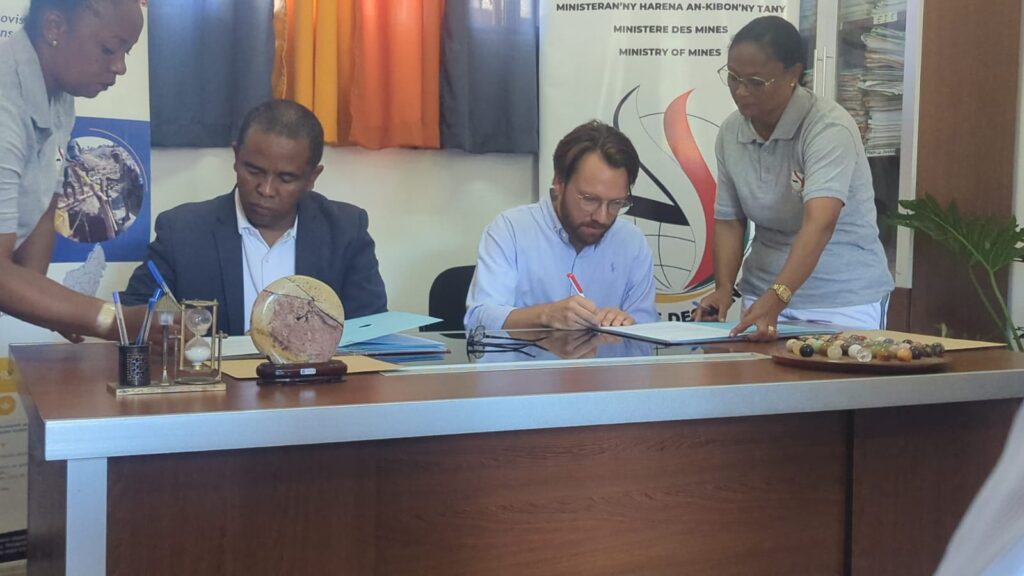
The convention signed with Madagascar’s Ministry of Mines establishes a national framework for collaboration aimed at improving governance and working conditions across the mica sector.
A central objective is to eliminate unacceptable labor practices, including child labor, while promoting responsible sourcing standards. The agreement also focuses on strengthening technical capacity and supporting artisanal miners in obtaining legal permits—an essential step toward formalizing the sector and ensuring better protection for workers.
In parallel, the adoption and implementation of the Mica CRAFT Code will be promoted, alongside RMI’s Global Due Diligence and Workplace Standard for mica processors. These standard and code are critical in driving transparency, accountability, and improved workplace conditions throughout the supply chain.

At the regional level, RMI’s partnership with the Directorate of Agriculture and Livestock represents a key step in operationalizing its livelihood strategy. Recognizing that improving working conditions alone is not sufficient, RMI is investing in strengthening the economic resilience of mica-producing communities.
The livelihood strategy focuses on diversifying income sources and reducing dependency on mica-related activities. This includes supporting agricultural development, livestock farming, and aquaculture, as well as promoting small-scale businesses such as trade and handicrafts. By enhancing access to sustainable and alternative livelihoods, RMI aims to empower communities to achieve long-term economic stability.
In addition, the collaboration seeks to build local technical capacities and promote sustainable land and resource management practices, including soil restoration. Strengthening coordination between community stakeholders, regional authorities, and private sector actors is another key priority, ensuring that interventions are aligned with local realities and needs.
Together, these two conventions illustrate RMI’s holistic approach: combining regulatory strengthening, responsible sourcing, and community development to drive systemic change in the mica sector.
By working closely with both national and regional authorities, RMI ensures that its actions are not only impactful but also sustainable and locally anchored. These partnerships provide a strong foundation for scaling up efforts, improving livelihoods, and advancing toward a shared vision of fair, transparent, and responsible mica value chains.
As implementation moves forward, these agreements will play a crucial role in translating commitments into concrete action—benefiting miners, communities, and the broader supply chain alike.