

APPROACH / FULFILLING GLOBAL MANDATES
Responsible Mica Initiative programs and standards align with leading international guidelines and due diligence frameworks, including the OECD Due Diligence Guidelines, ILO Conventions, and provisions of the UNGP. RMI efforts also contribute to a number of the UN Sustainable Development Goals. In so doing, RMI helps member companies meet global human rights expectations, respond to responsible sourcing requirements, and address mica-specific regulatory obligations.
RMI goals and programs are designed to advance several major international labor protections, including:
United Nations Guiding Principles on Business and Human Rights (UNGPs), which set out the responsibility of businesses to protect and respect human rights across their operations and value chains.
International Labor Organization (ILO) Minimum Age Convention (1973) and Worst Forms of Child Labor Convention (1999), which require member states to adopt and enforce laws preventing child labor.
RMI goals and programs advance the goals of several major international labor principles and conventions that support the eradication of child labor.
Through the development of its strategies and programs, RMI seeks to ensure as much alignment as possible with the OECD Due Diligence Guidance for Responsible Supply Chains of Minerals from Conflict-Affected and High-Risk Areas, as well as the related Practical Actions for Companies to Identify and Address the Worst Forms of Child Labour in Mineral Supply Chains.
RMI programs directly fulfill Step 3 of the Practical Actions guidance, which calls on businesses to “design and implement a strategy to respond to identified risk.”
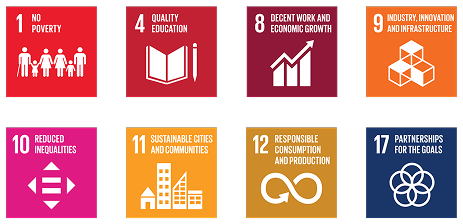
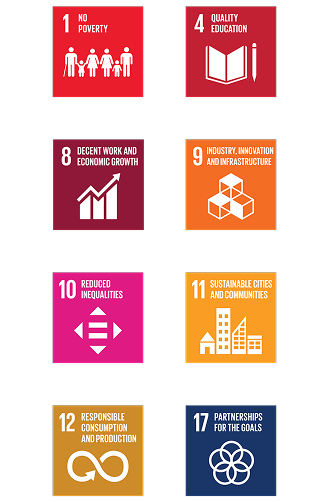
Through its three program pillars, RMI contributes to elements of eight UN SDGs, supporting global progress on:
RMI provides a strong framework to help members address due diligence and responsible sourcing expectations in the mica sector
RMI facilitates implementation of specific upstream due diligence & mitigation measures including audit protocols and training, training on workplace standards, Community Empowerment Programs, and the formalization of mining groups which can help member companies meet their due diligence requirements.
RMI convenes & facilitates working groups and thematic meetings, conferences, research, and discussions among members and upstream participants of their supply chains.
RMI provides data and tools for members to use when implementing and reporting on their individual upstream due diligence measures including workplace standards, supply chain traceability trees, workplace audit reports, and risk and gap assessments.
RMI workstreams follow international standards, providing a solid basis to meet current and upcoming requirements.
RMI’s workplace standards and code provide policies and practices grounded in global voluntary standards and conventions, including ILO and OECD guidelines. Implementing these standards through a cycle of assessments, training, audits, corrective action plans (CAPs), and re-audits enables member companies to implement the essential components of their human rights due diligence programs and mitigate risk.
RMI members are required to ask and support all mica processing sites and mine operators identified in their upstream value chains to participate in RMI’s annual supply chain mapping protocol and adopt the applicable workplace standards. The standards ensure safe and responsible working conditions and include mechanisms for training, monitoring, continuous improvement, auditing, and corrective action plans.
Each participant in a member’s upstream supply chain is required to adopt or support adoption of the applicable workplace standards or code, the provisions of which cover environmental, health, safety, legal, economic, and fair labor practices, including a prohibition on child labor.
This inclusive chain approach supports member companies’ ability to meet their due diligence requirements applicable to all actors involved in mica extraction and processing.