
IMPACT – MADAGASCAR
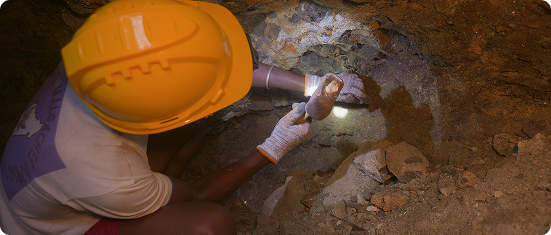
In Madagascar, mica is primarily mined in the southern regions of Anosy, Ihorombe, and Androy – areas among the poorest in the country. As in Bihar and Jharkhand in India, communities face extreme poverty, isolation, insecurity, and limited access to education and healthcare, while a poorly enforced legal framework creates instability across the sector. These conditions contribute to persistent social and economic issues, including child labor, unsafe working conditions, dependence on mica mining for income, and minimal access to government services.
Southern Madagascar is severely affected by climate shocks, especially the prolonged drought, which has devastated agriculture – the primary livelihood for many families. With declining crop yields and very low prices paid for mica, households face shrinking incomes and rising vulnerability. Because mica collection remains largely informal, most volumes are exported at low value, limiting economic benefits for local communities and increasing the risk of human rights violations.
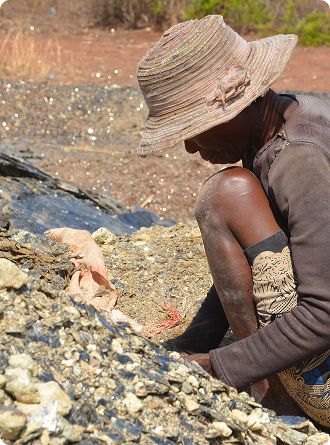
Southern Madagascar is severely affected by climate shocks, especially the prolonged drought, which has devastated agriculture – the primary livelihood for many families. With declining crop yields and very low prices paid for mica, households face shrinking incomes and rising vulnerability. Because mica collection remains largely informal, most volumes are exported at low value, limiting economic benefits for local communities and increasing the risk of human rights violations.
third party audits conducted against the GWS at RMI exporter sorting sites
ASM mines identified by RMI exporters to be onboarded on the Mica CRAFT Code implementation
sessions of OHS training delivered at ASM mines
pieces of PPE distributed at ASM mines
miners that benefited from literacy training sessions
schools built
direct beneficiaries of RMI interventions
water drills/pumps installed and 1 pump repaired
children newly enrolled in schools
members of mining community took part in participatory shows sensitizing on child labor’s elimination

The RMI program in Madagascar faces significant challenges, unexpected events, and promising opportunities – yet is already delivering concrete, positive results.
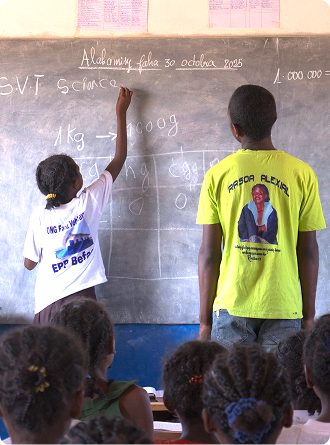
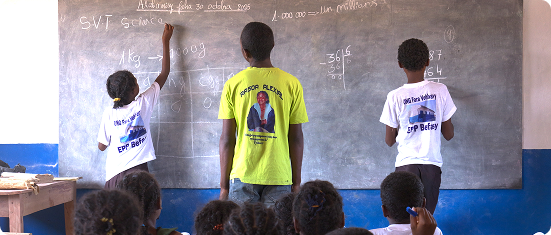
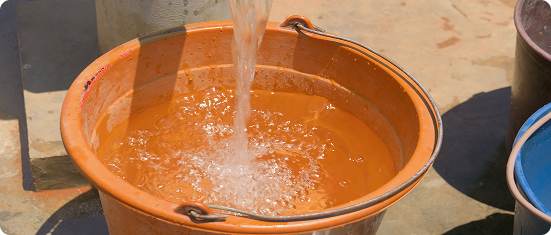
Yet, opportunities are growing, and RMI’s work is strongly supported by local authorities and economic actors. Since October 2023, RMI has expanded its strategy and launched a pilot project across five artisanal mica mining sites, implementing concrete child-labor prevention measures such as school construction, education and literacy programs. Borehole construction has also provided safe drinking water, reducing exposure to waterborne diseases.
Eight mica exporters sourcing from Madagascar have joined RMI, committing to implementing responsible practices in their sorting facilities and supply chains. They are trained on international standards (GWS and Mica CRAFT) and regularly supported by our team to formalize commercial relationships, establish worker contracts, and comply with Malagasy law. At the end of 2025, RMI facilitated external audits of their sorting sites to assess compliance and guide ongoing improvements.
In the months ahead, RMI aims to scale its impact, reach more villages, bring additional exporters on board, and work toward establishing a living wage across supported supply chains – an ambitious program powered by our extremely dedicated field team and implementing partners.