
Over 2,000 members of mining communities now have access to safe drinking water within 500 meters of their homes in Madagascar

Safe drinking water sourced from a pump in Madagascar

Access to safe water: a major challenge in southern Madagascar

Access to safe drinking water remains a major challenge for communities in southern Madagascar, including mining communities. At the launch of RMI’s pilot project, none of the mining sites had access to safe drinking water.

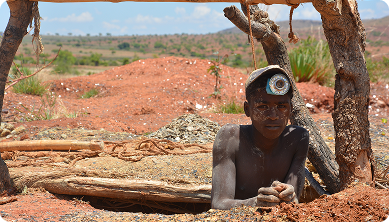
In some cases, miners, sorters, and children accessed water directly from mica pits. As mining progressed, they reached groundwater and used it as a water source. In other cases, water was collected from rivers located at varying distances from mining sites or from traditional wells.

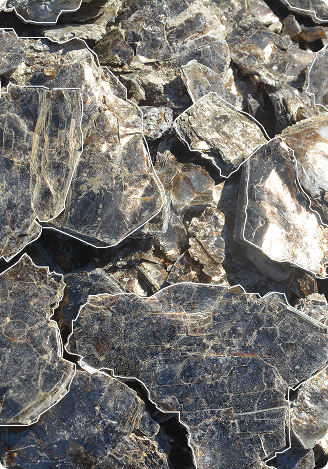
In Isonjo, for example – a site located in the municipality of Isoanala – residents consumed water from a large pit left by a former colonial-era mica mine, which filled with rainwater each rainy season. Community members explained that they preferred collecting water early in the morning, believing it to be cleaner before livestock accessed the site. Such situations are common, as water points often serve multiple purposes: washing, cleaning utensils and machinery, watering animals, cooking, and drinking – all from the same source.

Health risks linked to unsafe water

In most cases, the water was brackish or cloudy and sometimes consumed directly without boiling. Drinking unsafe water poses serious health risks. During baseline assessments, both community members and medical staff reported frequent cases of gastrointestinal infections and bilharzia (schistosomiasis) at mining sites.

Relying on national technical expertise

Lacking internal WASH expertise, RMI partnered with Madagreen Power, a leading supplier of solar photovoltaic solutions and drinking water access, to collect technical data on water quality and advise on appropriate solutions for mining communities. Options presented included lined wells, traditional wells, and boreholes.

These options were discussed with RMI and local communities. After validation by RMI members – who retain decision-making authority over the use of RMI funds – the final choice was to drill boreholes, allowing water to be drawn from deeper sources to ensure better quality.

This option came with several challenges: high costs due to technical complexity, logistical difficulties transporting heavy machinery to remote areas via rough roads, and long-term maintenance concerns. Hand-operated pumps can deteriorate over time, raising issues related to spare parts availability, costs, and maintenance capacity. Land tenure was also a key concern, requiring secure locations to prevent future claims over the land or infrastructure.

Borehole drilling and infrastructure installation

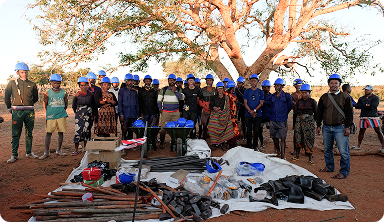
APC Mining, a drilling company operating in southern Madagascar, conducted hydrogeological studies and geophysical surveys to confirm the presence of water near targeted villages. Thanks to its technical expertise and equipment, APC Mining drilled four boreholes in remote villages and installed India Mark III hand pumps within a few weeks.

The process was not without difficulty. In some locations, drilling had to be repeated up to three times before reaching an aquifer with sufficient flow and water quality.

Ensuring maintenance and long-term functionality

To ensure the availability of spare parts and rapid intervention in case of breakdowns, Fifarafia, an NGO active in the Anosy and Androy regions, was engaged. The organization has spare parts readily available and the capacity to travel to sites when needed. Its contact details were shared with community committees.

RMI also recruited Olivier Randrianarimanana, a WASH technician, to oversee infrastructure works and support communities throughout the process.

Community awareness and ownership of water infrastructure

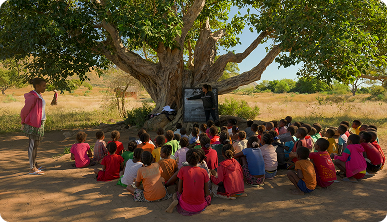
Olivier also led awareness sessions within communities, explaining the importance of protecting boreholes and equipment, safeguarding water sources, and understanding the risks of water contamination and waterborne diseases.

Communities discussed the consequences of improper use or damage to the pumps. Olivier emphasized behaviors to avoid near boreholes, such as disposing of waste, washing clothes nearby, or allowing animals (goats, cows, pigs) to approach the installations.

He also stressed the importance of regular community-led inspections to detect potential issues early, while cautioning against untrained repairs that could damage the infrastructure. Communities were encouraged to promptly alert Fifarafia if problems arise and to avoid violent or improper handling of the pumps.

Governance aspects were also addressed, with communities identifying individuals responsible for monitoring the infrastructure, maintaining protective fencing, and ensuring compliance with agreed management rules.

Land security and public authority engagement: a condition for sustainability

In the remote intervention areas where RMI operates, formal land registries are absent and land is often communally owned, without formal titles or boundary markers. The risk of infrastructure appropriation—and potential monetization of water access—was therefore significant.

To mitigate this risk, communities agreed to sign a land donation agreement. The oldest and most respected community member formally committed to granting permission for drilling and ensuring that no individual could claim ownership of the borehole. This document was countersigned by local authorities.

Government technical services, particularly the Regional Directorate for Water, Sanitation, and Hygiene, were involved prior to implementation. GPS coordinates and technical data were shared and validated by regional authorities, who were also consulted to validate water quality test results conducted by the JIRAMA laboratory, Madagascar’s public water utility.

A source of pride and impact

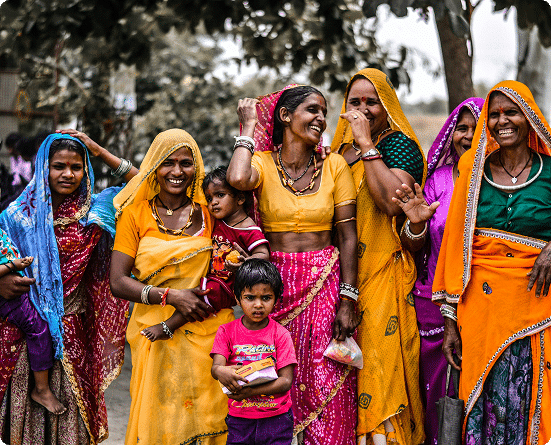
Operational since the end of 2025, these water infrastructures now provide over 2,000 people – including children, women, men, elderly residents, miners, sorters, farmers, and local artisans – with access to safe drinking water.

This achievement represents a major milestone and a source of great pride for the Responsible Mica Initiative.